Rethinking Sweetness in Modern Coffee Liqueurs
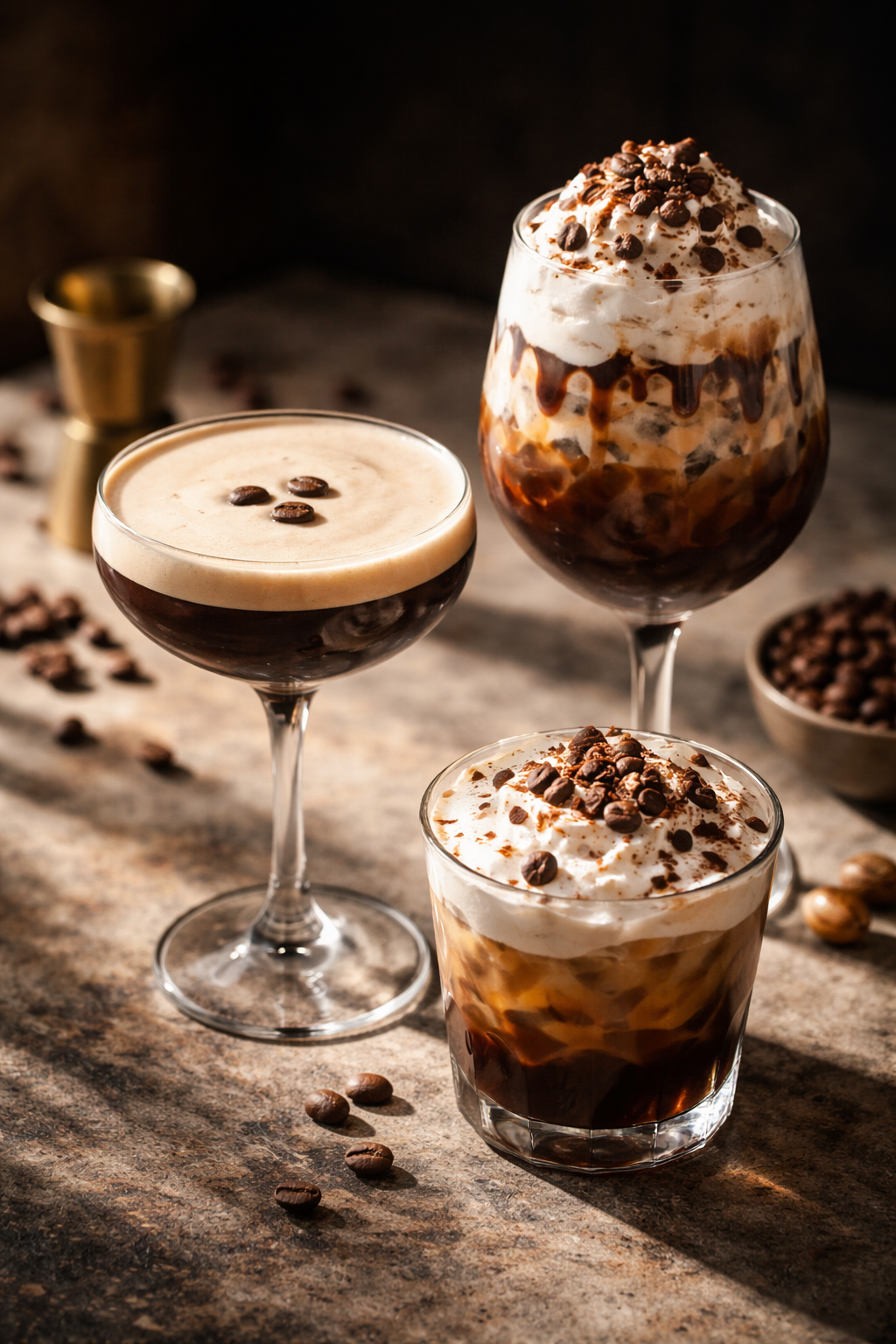
Sweetness has long been treated as a defining feature of coffee liqueur. For decades, the category leaned heavily toward sugar-forward profiles, positioning coffee liqueur as indulgent, dessert-like, and unapologetically rich. That approach made sense in a different era, when coffee liqueur was rarely expected to perform outside of after-dinner drinks or heavily sweetened cocktails.
Modern expectations are different. Coffee liqueur is now used in precision cocktails, paired with fresh espresso, mixed with dairy, and incorporated into desserts that already carry their own sweetness. In this context, sugar is no longer a selling point. It is a structural decision—and one that must be handled carefully.
KopiO was developed with this shift in mind. Created by Studio Origin, it reflects a modern understanding of sweetness as a supporting element rather than a defining feature. That philosophy is central to the approach taken at Studio Origin.
Why Sweetness Became the Default
Historically, sweetness solved several problems at once. It softened bitterness from over-extracted coffee, masked inconsistencies between batches, and created an immediate sense of richness. For many producers, sugar became a shortcut—an easy way to make coffee liqueur feel approachable.
But shortcuts come with trade-offs. Excess sweetness increases viscosity, dulls aroma, and limits how a liqueur can be used. It also narrows the audience, turning coffee liqueur into a niche indulgence rather than a versatile ingredient.
As coffee culture evolved and palates became more attuned to balance, the limitations of sugar-heavy coffee liqueurs became harder to ignore. Sweetness that once felt luxurious now often feels dated.
KopiO’s profile reflects this modern shift, favouring clarity and restraint over confectionary richness. This approach is consistent across the KopiO range available through Origin Crafted.
Sweetness as Structure, Not Flavor
In a well-designed coffee liqueur, sweetness should not announce itself. Its role is to support extraction, carry aroma, and round edges—not to dominate the palate.
When sweetness is treated as flavour, the coffee becomes secondary. When treated as structure, the coffee remains in focus. This distinction is subtle but crucial. Structural sweetness allows bitterness to feel intentional rather than abrasive and lets coffee aromatics remain expressive.
This balance is especially important in cocktails built around coffee itself. In drinks like the Espresso Martini, excessive sweetness competes directly with espresso, flattening contrast and muting complexity. The importance of this balance is explored in detail in the discussion of why the right coffee liqueur matters for the Espresso Martini.
The Compounding Effect of Sugar
Sweetness does not exist in isolation. Once added, it affects every use of the liqueur. A coffee liqueur that feels merely “a bit sweet” on its own can become cloying when paired with cream, syrups, or dessert components.
This compounding effect is where many traditional coffee liqueurs struggle. Cream-based drinks become heavy. Desserts tip into excess. Drinkability drops sharply after the first sip.
KopiO’s restrained sweetness allows it to integrate cleanly in these contexts. In a White Russian, for example, the coffee remains clear and present without the drink collapsing under its own weight. This behaviour is demonstrated clearly in the KopiO-focused White Russian, where balance is preserved rather than overwhelmed.
Sweetness and Mouthfeel Are Inseparable
Sugar directly influences texture. Higher sugar content increases viscosity, creating a thick, lingering mouthfeel. While this can feel indulgent initially, it often leads to palate fatigue.
Modern coffee liqueur design prioritises mouthfeel that supports drinkability. The liquid should feel present, but it should also clear cleanly. This allows the drinker to focus on flavour rather than residue.
KopiO’s mouthfeel reflects this philosophy. Sweetness contributes to body without becoming sticky or oppressive, allowing the coffee character to remain agile across different applications.
This balance becomes especially important in desserts, where texture matters as much as flavour. In preparations like chocolate mousse, excessive sweetness would dominate the dish. KopiO’s ability to enhance rather than overpower is evident in its use within KopiO chocolate mousse.
Why Professionals Are Moving Away From Sugar-Heavy Profiles
Bars and hospitality teams increasingly favour coffee liqueurs that offer control rather than indulgence. Excess sweetness reduces flexibility, forcing recipe adjustments and limiting creativity.
A restrained sweetness profile allows bartenders to decide where sweetness belongs—in the syrup, the liqueur, or the overall drink design. This modularity is essential in modern cocktail programs, where balance is built deliberately rather than assumed.
KopiO’s structure aligns with these professional needs, which is why it is positioned for use in bars and hospitality environments where consistency and adaptability matter. Its role within professional settings is outlined through Origin Crafted’s trade and retail focus.
Rethinking Sweetness as a Mark of Quality
Sweetness is easy to add and hard to remove. Choosing restraint requires confidence in extraction, balance, and process. It also signals a shift in priorities—from immediate impact to long-term usability.
Modern coffee liqueurs are increasingly judged not by how sweet they are, but by how well that sweetness is integrated. Does it support the coffee? Does it fade cleanly? Does it allow the liqueur to work across formats?
KopiO’s approach answers these questions through design rather than messaging. Its sweetness is deliberate, measured, and purposeful—present when needed, invisible when not.
Choosing Coffee Liqueur With Modern Palates in Mind
As expectations evolve, so too must the role of sweetness in coffee liqueur. What once defined the category now risks holding it back.
For those evaluating coffee liqueurs today, sweetness should be seen not as a feature, but as a tool. When used carefully, it enhances clarity, versatility, and drinkability.
KopiO demonstrates how rethinking sweetness can reshape the entire experience. By treating sugar as structure rather than spectacle, it delivers a coffee liqueur that feels modern, balanced, and fit for how drinks are actually made today.