How Coffee Liqueurs Are Typically Made and Where They Go Wrong
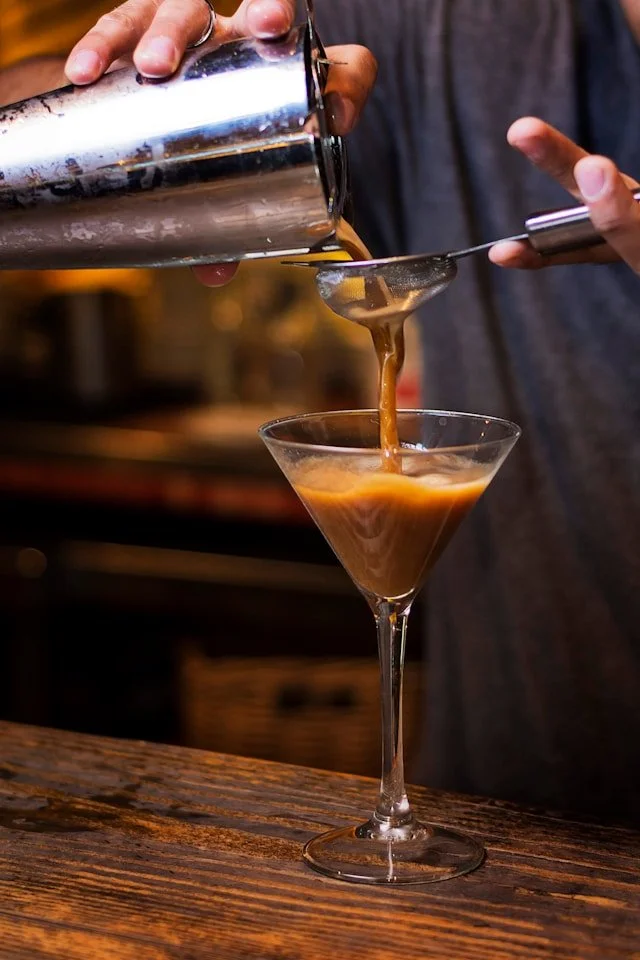
Coffee liqueur looks simple on paper. Coffee, sugar, alcohol — combine them, bottle them, done. But in practice, this is one of the easiest categories to get wrong. Many coffee liqueurs fail not because of ambition, but because of shortcuts taken during production.
Understanding how coffee liqueurs are usually made — and where they often go off track — explains why some bottles taste thoughtful and balanced, while others feel clumsy, overly sweet, or strangely hollow.
The Typical Coffee Liqueur Production Process
Most coffee liqueurs follow a broadly similar production path. The difference lies in the details.
First, coffee flavour is extracted. This can be done using cold brew, hot extraction, concentrated coffee essences, or a combination of methods. The goal is to capture aroma, bitterness, and body in a form that remains stable once alcohol is added.
Next comes sweetening. Sugar is introduced to round bitterness, add mouthfeel, and stabilise flavour. This step defines whether the liqueur feels structured or syrupy.
Finally, alcohol is blended in. In well-made liqueurs, alcohol acts as a carrier, lifting aroma and preserving flavour rather than dominating the palate.
Coffee-forward liqueurs like KopiO by Studio Origin are designed with this balance in mind, treating coffee as the backbone rather than an afterthought.
Where Things Start to Go Wrong: Coffee Shortcuts
One of the most common mistakes happens right at the beginning.
Instead of brewing real coffee at sufficient concentration, some producers rely heavily on flavourings or weak extracts. This creates an immediate problem: the coffee tastes present when neat, but disappears the moment ice, milk, or espresso is introduced.
Once coffee lacks depth, producers often compensate later with sugar. This masks the absence of real coffee character but creates a liqueur that feels flat and one-dimensional.
This is why balanced coffee liqueurs are built to maintain coffee presence even under dilution — a requirement that becomes obvious in cocktails like the Espresso Martini. Studio Origin explains this clearly in The Espresso Martini Done Properly, where coffee strength is treated as non-negotiable.
Sugar: The Most Abused Fix
Sugar is the fastest way to “fix” a weak coffee liqueur — and the most damaging.
Excessive sugar smooths rough edges and creates immediate appeal, but it also:
Flattens aroma
Shortens the finish
Makes cocktails cloying
Causes palate fatigue
Many coffee liqueurs go wrong by using sugar as a crutch rather than a structural element. Instead of supporting coffee bitterness and texture, sugar becomes the dominant flavour.
In contrast, well-designed liqueurs use sugar sparingly and intentionally. You notice its role in mouthfeel and balance, not as sweetness itself.
Alcohol Missteps: Too Loud or Too Thin
Alcohol is another point of failure.
Some coffee liqueurs use alcohol that’s too aggressive, leaving heat and sharpness on the finish. Others go in the opposite direction, using too little alcohol or poorly integrated spirit, resulting in a liqueur that tastes thin and unstable.
In a balanced coffee liqueur, alcohol should disappear into the background. Its job is to carry aroma, preserve flavour, and provide gentle structure.
This approach is central to products designed for real service, especially those positioned for hospitality use, as outlined in Studio Origin’s trade and retail focus.
Texture Problems Reveal Design Flaws
Texture is where many production shortcuts become obvious.
Over-sweetened liqueurs feel thick but lifeless. Under-structured ones feel watery and disconnected. The right texture sits somewhere in between — enough body to coat the palate, but not so much that it overwhelms the drink.
This balance becomes especially important in creamy cocktails. In a White Russian-style drink, a poorly made coffee liqueur can either disappear under dairy or turn the drink into syrup. The KopiO White Russian shows how controlled texture allows coffee to remain expressive even in rich builds.
Desserts Expose Every Shortcut
Desserts are unforgiving.
In sweet applications, any excess sugar or alcohol heat becomes immediately obvious. Weak coffee tastes muddy. Overpowering alcohol tastes harsh. Only well-balanced liqueurs integrate cleanly.
The KopiO chocolate mousse highlights what happens when the process is done right: coffee deepens chocolate, sweetness feels intentional, and alcohol lifts aroma without announcing itself.
Why Professionals Care About Process
Bars and hotels don’t just taste coffee liqueur neat. They test it in real conditions: with ice, espresso, dairy, and time pressure.
That’s why professional buyers care deeply about how a coffee liqueur is made. A well-constructed liqueur:
Holds flavour after dilution
Requires fewer recipe adjustments
Performs consistently across service
These priorities shape how coffee liqueurs like KopiO are developed and positioned for professional environments.
Learning to Spot Where a Liqueur Went Wrong
You don’t need technical knowledge to tell when a coffee liqueur has issues.
If it tastes fine neat but collapses in cocktails, the coffee is likely too weak.
If it feels sticky and tiring, sugar is doing too much work.
If the finish burns or feels thin, alcohol integration is off.
Understanding the process makes those flaws easier to recognise.
The Bigger Picture
Coffee liqueurs don’t fail because the category is flawed. They fail because balance is hard and shortcuts are tempting.
When coffee is treated as structure, sugar as support, and alcohol as a carrier, the result feels effortless. When any one of those is used to compensate for the others, the liqueur quickly shows its cracks.
You can see how a more disciplined approach plays out across Studio Origin Stories, where coffee liqueur is consistently shown working as an ingredient, not just a sweet pour.
Once you understand how coffee liqueurs are made — and where they go wrong — the difference between forgettable bottles and dependable staples becomes obvious.